
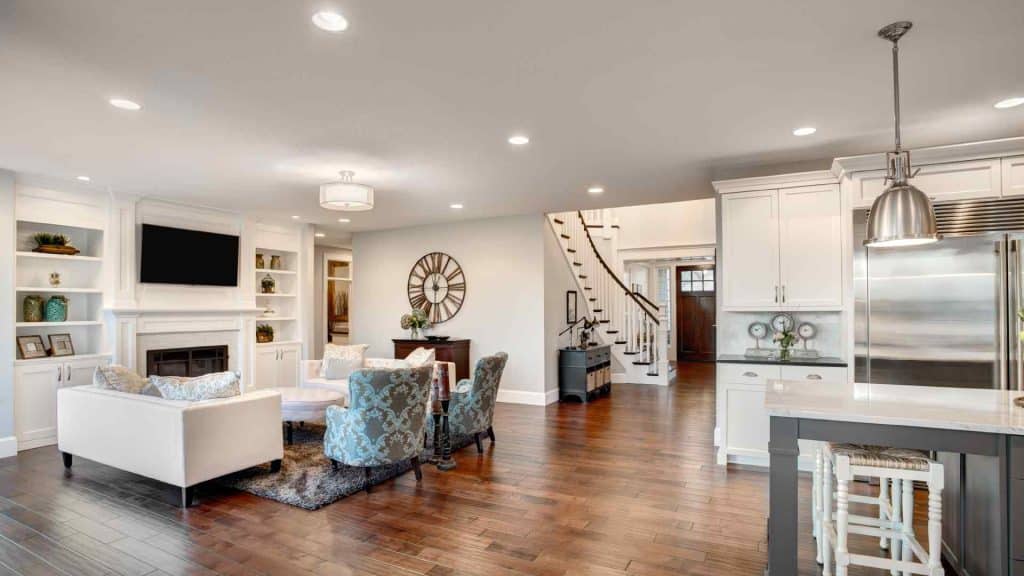
Flooring plays a major role in the comfort, beauty, and functionality of any home. When homeowners decide to upgrade or replace flooring throughout their entire property, it is known as whole house flooring. Instead of changing one room at a time, whole house flooring creates a consistent look and improves the overall value of the home. It also allows homeowners to enjoy a fresh, modern design across every room.
In this blog, we will explore the benefits, popular flooring options, installation process, and helpful tips for choosing the right flooring for your entire home.
What Is Whole House Flooring?
Whole house flooring refers to installing the same or coordinated flooring materials across most or all areas of a home. This may include living rooms, bedrooms, hallways, kitchens, and sometimes even bathrooms. The goal is to create a seamless and cohesive appearance that improves both style and functionality.
Instead of mixing multiple flooring styles, homeowners often choose materials that complement each other and maintain visual harmony throughout the home.
Benefits of Whole House Flooring
1. Consistent Design and Style
One of the biggest advantages of whole house flooring is design consistency. When all rooms have a unified flooring style, the home feels more spacious and organized. This creates a smooth visual flow between rooms.
2. Increased Home Value
Installing new flooring throughout the house can significantly increase property value. Buyers are often attracted to homes with modern, well-maintained flooring because it reduces the need for future renovations.
3. Easier Maintenance
Using the same flooring material throughout the house makes cleaning and maintenance much easier. Instead of using different cleaning products for different surfaces, homeowners can follow one simple maintenance routine.
4. Improved Durability
New flooring materials are designed to handle daily wear and tear. Whether you have pets, children, or heavy foot traffic, quality flooring can provide long-lasting durability.
5. Better Comfort
Modern flooring options offer improved comfort and insulation. Certain materials help maintain indoor temperatures and reduce noise, creating a more relaxing environment inside your home.
Popular Whole House Flooring Options
Choosing the right flooring material is important because each type offers unique benefits. Here are some of the most popular flooring options for whole house installation.
Hardwood Flooring
Hardwood flooring is one of the most timeless and elegant options available. It offers natural beauty, durability, and long-term value.
Benefits of hardwood flooring include:
- Classic and luxurious appearance
- Long lifespan with proper care
- Can be refinished multiple times
- Adds value to the home
However, hardwood may not be ideal for moisture-prone areas such as bathrooms.
Luxury Vinyl Flooring (LVP/LVT)
Luxury vinyl flooring has become extremely popular due to its affordability and durability. It can replicate the appearance of wood or stone while offering better resistance to moisture.
Advantages include:
- Water-resistant and durable
- Budget-friendly option
- Easy installation and maintenance
- Suitable for kitchens and bathrooms
Luxury vinyl is an excellent choice for homeowners looking for style and practicality.
Laminate Flooring
Laminate flooring is another affordable option that mimics the appearance of hardwood. It is made from multiple layers that create a strong and scratch-resistant surface.
Key benefits include:
- Cost-effective alternative to hardwood
- Scratch and stain resistant
- Easy to install
- Wide variety of designs and textures
Laminate flooring works well in living rooms, bedrooms, and hallways.
Tile Flooring
Tile flooring is highly durable and resistant to moisture, making it ideal for kitchens, bathrooms, and laundry rooms.
Benefits include:
- Water and stain resistance
- Extremely durable
- Available in many styles and colors
- Easy to clean
Ceramic and porcelain tiles are among the most commonly used options.
Carpet Flooring
Carpet is often used in bedrooms and living areas where comfort is a priority. It adds warmth and softness underfoot.
Advantages include:
- Comfortable and cozy
- Reduces noise
- Wide range of colors and textures
- Affordable installation
However, carpet may require more frequent cleaning compared to hard flooring.
Whole House Flooring Installation Process
Installing flooring throughout an entire home requires careful planning and professional expertise. The process typically includes the following steps:
1. Initial Consultation
A flooring professional evaluates the home and discusses design preferences, budget, and material options with the homeowner.
2. Floor Preparation
Before installation begins, existing flooring may need to be removed. The subfloor is inspected and repaired if necessary to ensure a stable surface.
3. Material Selection
Homeowners choose the flooring type, color, texture, and finish that best matches their interior design.
4. Professional Installation
Experienced installers place the flooring according to manufacturer guidelines. Proper installation ensures durability and prevents future issues.
5. Finishing Touches
Baseboards, trims, and transitions are installed to complete the look and create smooth transitions between rooms.
Tips for Choosing the Best Whole House Flooring
Selecting the right flooring involves several important considerations. Here are some helpful tips:
Consider Your Lifestyle
Homes with pets or children may require more durable and scratch-resistant flooring materials such as vinyl or laminate.
Think About Moisture Levels
Bathrooms, kitchens, and laundry areas require water-resistant flooring options like tile or luxury vinyl.
Choose Neutral Colors
Neutral flooring colors create a timeless look and allow homeowners to easily update furniture and decor without clashing styles.
Balance Budget and Quality
While cheaper flooring options may save money initially, investing in high-quality materials often provides better long-term value.
Work With Professionals
Professional flooring installers ensure accurate measurements, proper installation, and long-lasting results.
Why Whole House Flooring Is a Smart Investment
Whole house flooring is more than just a design upgrade. It is an investment that improves comfort, functionality, and property value. Modern flooring materials provide durability, style, and easy maintenance, making them a practical choice for homeowners.
By choosing the right materials and working with experienced professionals, homeowners can create a beautiful and cohesive living space that lasts for years.
Frequently Asked Questions (FAQs)
1. How long does whole house flooring installation take?
The timeline depends on the size of the home and the type of flooring. Most whole house flooring projects take between 3 to 7 days to complete.
2. What is the most durable flooring for a whole house?
Luxury vinyl, tile, and engineered hardwood are among the most durable flooring options, especially for high-traffic homes.
3. Can the same flooring be installed in every room?
Yes, many homeowners choose the same flooring throughout the house. However, moisture-prone areas may require water-resistant materials.
4. Is whole house flooring expensive?
The cost depends on the material and installation size. Vinyl and laminate are more affordable, while hardwood and tile may cost more.
5. Does new flooring increase home value?
Yes, installing new flooring throughout the house can significantly improve home value and make the property more attractive to potential buyers.